- Front Page
- Politica
- Local
- Internacional
- Deporte
- Analisis
- Investiga
- Live
- LenguahePapiamento

- Ombudsman ta investiga holor y calidad di aire rond Parkietenbos
- Keho di turista ta yega prensa internacional, pero ta e a yega laat pa su buelo
- Esaki ta e dos hotelnan di Aruba den Top 10 Casino Hotels 2026 di AAA!!
- Caribbean Journalism Seminar a enfoca riba AI, innovacion y responsabilidad periodistico
- Gobierno ta anuncia inversion na Seroe Colorado, pero residentenan no ta contento
- Ombudsman ta investiga holor y calidad di aire rond Parkietenbos
- Keho di turista ta yega prensa internacional, pero ta e a yega laat pa su buelo
- Esaki ta e dos hotelnan di Aruba den Top 10 Casino Hotels 2026 di AAA!!
- Caribbean Journalism Seminar a enfoca riba AI, innovacion y responsabilidad periodistico
- Gobierno ta anuncia inversion na Seroe Colorado, pero residentenan no ta contento
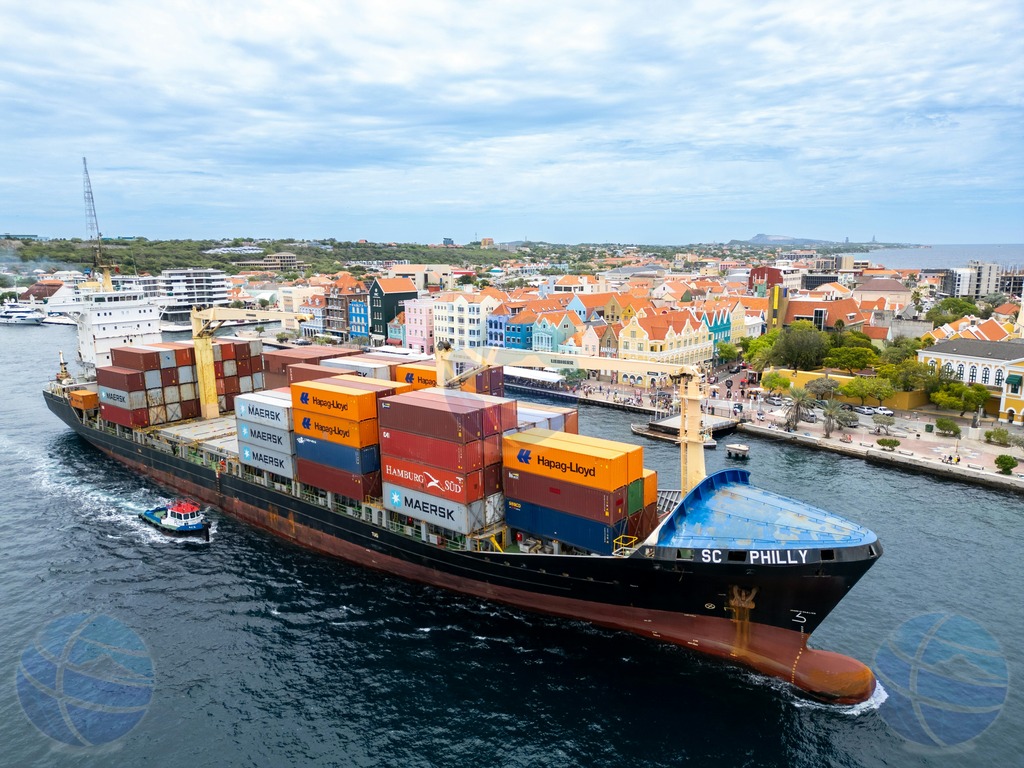
Study: Chinese presence in Aruba (i.e) growing, but state influence remains limited
ORANJESTAD — A new study on Aruba and the other Caribbean parts of the Kingdom of the Netherlands concludes that the Chinese presence has increased over recent decades, mainly through migration, entrepreneurship and private economic activity. However, researchers found little evidence of a substantial rise in direct Chinese state influence.
The report, Chinese Presence and Geopolitical Resilience in the Caribbean Parts of the Kingdom of the Netherlands, examines Aruba, Bonaire, Curaçao, Saba, Sint Eustatius and Sint Maarten. A central finding is that economic or social presence does not automatically amount to politically directed state influence.
The study also notes that the islands’ small, open economies depend heavily on external actors for imports, energy, digital infrastructure, logistics, tourism and security. It therefore recommends diversifying dependencies, improving information-sharing and oversight, and strengthening cooperation within the Kingdom.
The research was conducted within the China Knowledge Network by Clingendael researchers together with local and Caribbean experts and included 43 stakeholder interviews.