- Front Page
- Politica
- Local
- Internacional
- Deporte
- Analisis
- Investiga
- Live
- LenguahePapiamento

- CAft: “Haci escogencia riba turismo awor cu presupuesto ta permiti esaki”
- Corte lo inspecciona pier amplia ilegalmente na Aruba
- Candela na deposito di auto bieuw na Corsou lo causa huma pa varios dia
- Polis kier controla arma sin sospecha previo den barionan di riesgo na Aruba
- KLM ta amplia asientonan di lujo riba buelo pa Aruba
- CAft: “Haci escogencia riba turismo awor cu presupuesto ta permiti esaki”
- Corte lo inspecciona pier amplia ilegalmente na Aruba
- Candela na deposito di auto bieuw na Corsou lo causa huma pa varios dia
- Polis kier controla arma sin sospecha previo den barionan di riesgo na Aruba
- KLM ta amplia asientonan di lujo riba buelo pa Aruba
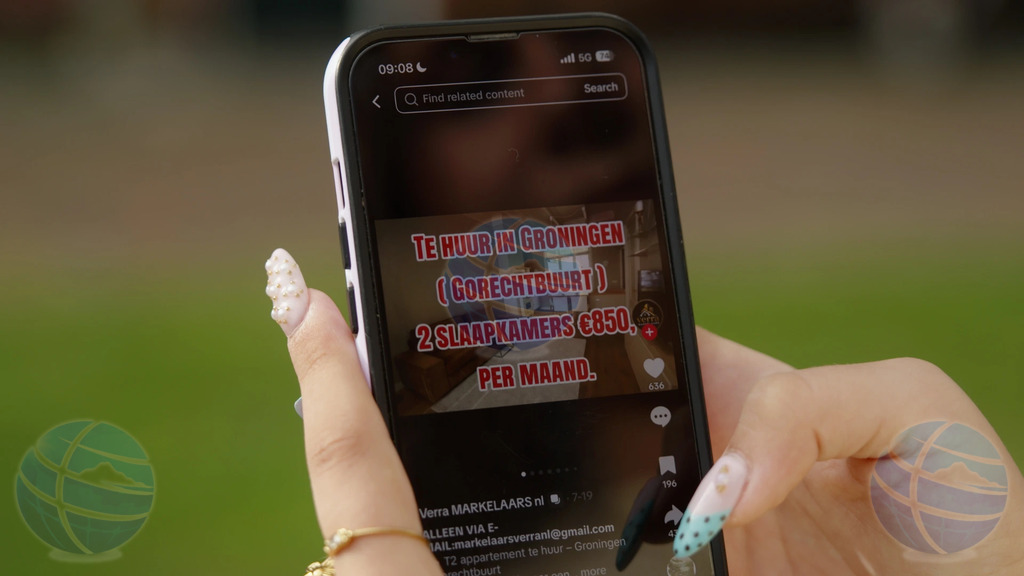
Housing shortage leaves Aruban students vulnerable to rental scams in the Netherlands
THE HAGUE – The continuing struggle to find student accommodation in the Netherlands is making students from Aruba particularly vulnerable as fraudulent room listings spread across platforms such as TikTok.
An investigation by NOS Stories found hundreds of fake advertisements for student rooms and rental properties on TikTok. Scammers copy photographs and details from legitimate property websites, including Pararius, before demanding advance payments for viewings, reservations or deposits on properties that may not exist.
The problem has particular relevance for Aruba. The Cabinet of Aruba in The Hague currently warns of a major shortage of student accommodation in the Netherlands and advises Aruban students to start searching and registering for housing one or even two years before beginning their studies.
The Government of Aruba previously established its “Studentenkamer” project after the Arubahuis raised concerns about the serious shortage of accommodation available to Aruban students studying in the Netherlands.
That scarcity can create ideal conditions for fraud. Students under pressure to secure accommodation before leaving Aruba may be more inclined to act quickly when an apparently attractive room becomes available.
According to figures cited by NOS Stories, the Dutch Fraud Help Desk received 175 reports from people who had been defrauded through rental advertisements during the first half of 2026, compared with just 21 during the preceding six months.
Warning signs include demands for immediate payment, requests for deposits before a viewing, and landlords or agents who repeatedly avoid allowing prospective tenants to see the property.
For Aruban students, the message is especially relevant: the urgency of finding accommodation should never become a reason to transfer money before verifying both the property and the person or company offering it.