- Front Page
- Politica
- Local
- Internacional
- Deporte
- Analisis
- Investiga
- Live
- LenguahePapiamento

- Minister Rene Herde tambe tin pensa di retira ora cu aña bolter
- Salida di De Meza di AVP, ta laga coalicion un asiento for di perde su mayoria
- DIMAS: Stop riba prome permiso di trabao regular ainda ta na vigor
- Ministerio Publico ta persigui polis pa homicidio den caso fatal di pashent psychiatrico
- Cinco detencion y cuater arma di candela confisca den investigacion di tiramentonan na San Nicolas
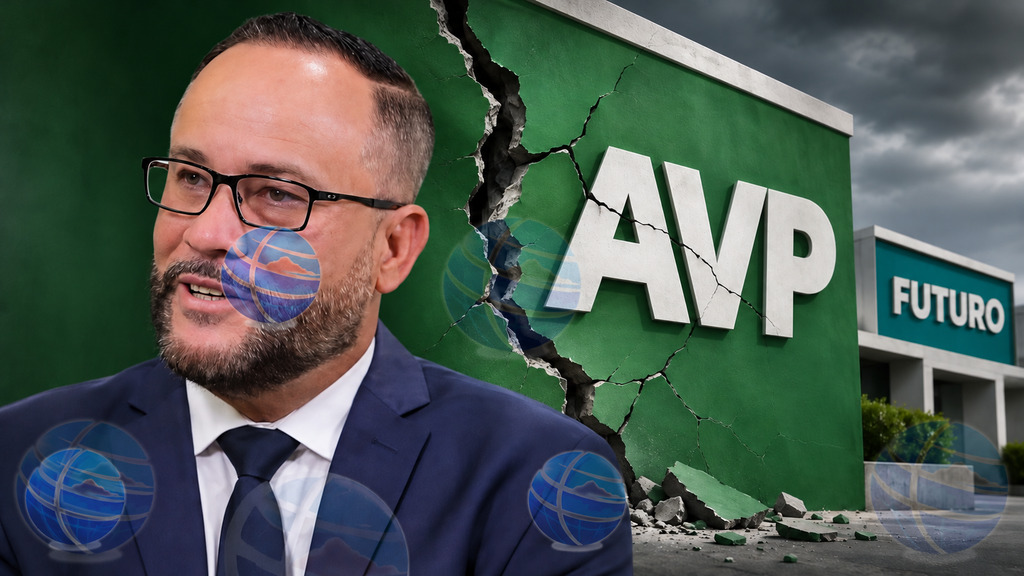
De Meza’s departure from AVP leaves coalition one seat from losing its majority
ORANJESTAD — Mike de Meza’s declaration of independence does not automatically bring down the AVP–FUTURO government. But it removes the coalition’s parliamentary cushion and turns the minimum-wage dispute into a more serious threat to the government’s survival.
The arithmetic is decisive. AVP and FUTURO formed the government with 12 of Parliament’s 21 seats: nine for AVP and three for FUTURO. With De Meza’s departure from the AVP faction, the two parties are left with 11 seats—the smallest possible absolute majority. Even if he votes against the government, those 11 MPs can still pass proposals, provided they remain united and present. One further departure, however, would remove that absolute majority.
Politically, the damage extends beyond losing one seat. Based on Friday evening’s information, the withdrawal of the motion for an immediate minimum-wage increase exposes the internal cost to AVP of maintaining its partnership with FUTURO. De Meza’s accusation that FUTURO is calling the shots challenges AVP’s leadership and its ability to defend compromises within its own parliamentary faction.
His departure also makes FUTURO’s three seats even more indispensable. The assessment is that this strengthens FUTURO’s negotiating position while increasing pressure on AVP’s leadership to demonstrate to its supporters that coalition cooperation still delivers results.
Nevertheless, there are reasons to avoid predicting an immediate collapse. On November 2, Gerlien Croes stated that FUTURO wanted dialogue rather than the government’s fall. On November 4, Prime Minister Mike Eman denied there was a deadlock and expressed confidence that an agreement was possible. These statements predate De Meza’s announcement, but indicate that both parties were still seeking a way forward, as reported by Noticiacla.
The risk of a breakup has increased, but there is still insufficient evidence to conclude that it is imminent. The decisive question is whether the coalition’s remaining 11 MPs will continue supporting the cabinet in votes on the budget and motions of confidence or no confidence. Declaring himself independent does not, by itself, establish how De Meza will vote in those situations.