- Front Page
- Politica
- Local
- Internacional
- Deporte
- Analisis
- Investiga
- Live
- LenguahePapiamento

- Encuesta ta revela punto di encuentro: proteha naturalesa y empleo cu UTV bou control fuerte
- Encuesta no ta solamente di UTV: 88% di respondentenan no ta posee ni usa uno regularmente
- Encuesta: Mayoria kier UTV/ATV bou control estricto, no manera antes
- Tour Operators Uni ta exigi control urgente despues di accidente fatal cu UTV
- ABV na Noticiacla: ‘Problema di hospital ta mas grandi cu solamente salario’
- Encuesta ta revela punto di encuentro: proteha naturalesa y empleo cu UTV bou control fuerte
- Encuesta no ta solamente di UTV: 88% di respondentenan no ta posee ni usa uno regularmente
- Encuesta: Mayoria kier UTV/ATV bou control estricto, no manera antes
- Tour Operators Uni ta exigi control urgente despues di accidente fatal cu UTV
- ABV na Noticiacla: ‘Problema di hospital ta mas grandi cu solamente salario’
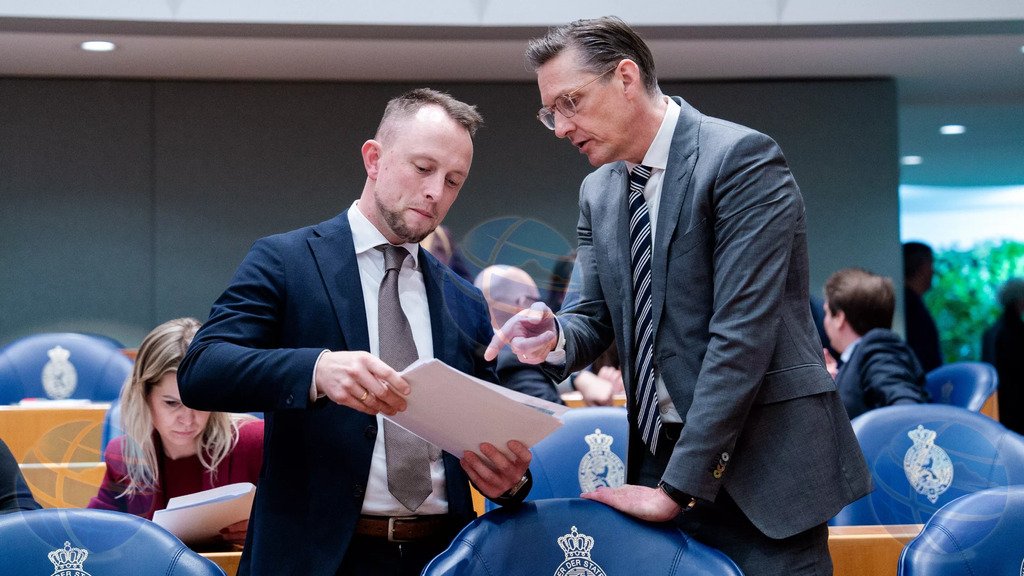
One in four Dutch parliamentary questions shows signs of AI
THE HAGUE — Around one in four sets of parliamentary questions submitted in the Dutch House of Representatives contains traces of artificial intelligence, according to an NOS investigation of 2,500 documents containing more than 28,000 individual questions.
AI use is increasing. In the past six months, 26 percent of parliamentary questions showed signs of AI, compared with 17 percent in the previous six months.
The level of AI involvement varies. In some cases, AI appears to have helped refine or formulate parts of the questions, while other texts were assessed by the AI detector Pangram as largely or entirely AI-generated.
Experts say the use of AI is not necessarily problematic as long as MPs remain responsible for the content and verify the information themselves. AI can help search documents, summarize material and formulate questions more efficiently.
There are risks, however. If politicians rely on AI in areas they do not fully understand, they may overlook errors or outsource too much of their own analytical work.
Several MPs have acknowledged using AI for research, shortening text, spelling checks and improving formulations, while stressing that they remain responsible for the final content.
Experts also warn that AI detectors are not perfect and can wrongly identify human-written text as AI-generated.
The central issue is therefore not simply whether politicians use AI, but how much of their own democratic and political thinking they are willing to outsource to it.