- Front Page
- Politica
- Local
- Internacional
- Deporte
- Analisis
- Investiga
- Live
- LenguahePapiamento

- Aruba Real Estate Summit a pone foco riba desaroyo responsabel den sector inmobiliario
- Trahadornan di Arubus ta exigi fecha y solucion concreto pa salario
- Dos detencion mas den investigacion di tiramento na Mandolinstraat
- AHATA ta promove medidanan pa proteha trahadonan contra calor intenso
- Hulanda lo studia preclearance Europeo pa biahe entre Aruba y Europa
- Aruba Real Estate Summit a pone foco riba desaroyo responsabel den sector inmobiliario
- Trahadornan di Arubus ta exigi fecha y solucion concreto pa salario
- Dos detencion mas den investigacion di tiramento na Mandolinstraat
- AHATA ta promove medidanan pa proteha trahadonan contra calor intenso
- Hulanda lo studia preclearance Europeo pa biahe entre Aruba y Europa
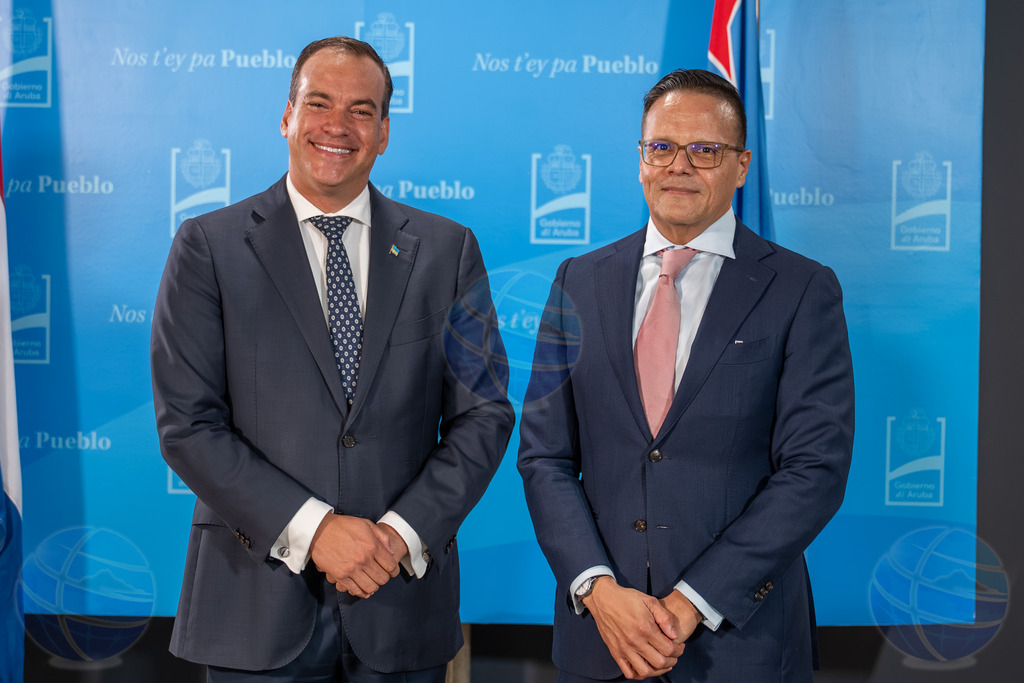
Wever: Aruba posts nearly Afl. 260 million positive result in first half of 2026
ORANJESTAD – The Aruban government recorded a preliminary positive financial result of almost Afl. 260 million during the first six months of 2026. Finance Minister Geoffrey Wever attributed the result to higher revenue, controlled expenditure and continued positive economic development.
By June 30, the government had collected Afl. 1.119 billion in revenue, representing 56.6 percent of the amount budgeted for the full year. Expenditure stood at approximately Afl. 860 million, or 46.3 percent of the annual budget.
Direct and indirect tax revenue allocated to the Country of Aruba reached Afl. 918 million, an increase of 7 percent compared with the first half of 2025. BBO/BAVP revenue rose by 8 percent to Afl. 232 million, while tourist-levy revenue increased by 18 percent to Afl. 63.1 million.
Corporate-income-tax revenue reached Afl. 252.4 million, the highest first-half level recorded between 2019 and 2026. According to Wever, the figure confirms continued positive development in Aruba’s business activity and economy.
“Our objective is not merely to present good figures. We are working to create a solid financial foundation that allows the government to meet its obligations, reduce debt, protect purchasing power and create room for continued investment in the community,” Wever said.
Aruba repaid approximately Afl. 345 million in debt during the first half of the year. At the end of June, the country’s total debt stood at Afl. 5.022 billion, equivalent to 62.2 percent of GDP. This was below the 65.9 percent registered in the second quarter of 2025.
Public-sector personnel expenditure is projected to reach 8.2 percent of GDP by the end of 2026, comfortably below the LAft ceiling of 10 percent.
The positive result was maintained despite measures including an additional Afl. 150 monthly allowance for pensioners and temporary reductions in excise duties on gasoline and diesel to limit pressure on the cost of living.
Wever warned that the result is no reason to relax financial discipline. “Aruba still has significant debt and our economy remains sensitive to international developments. We will therefore continue reducing debt, controlling expenditure and using the space we create to strengthen purchasing power, the economy and Aruba’s future.”