- Front Page
- Politica
- Local
- Internacional
- Deporte
- Analisis
- Investiga
- Live
- LenguahePapiamento

- Aruba Real Estate Summit a pone foco riba desaroyo responsabel den sector inmobiliario
- Trahadornan di Arubus ta exigi fecha y solucion concreto pa salario
- Dos detencion mas den investigacion di tiramento na Mandolinstraat
- AHATA ta promove medidanan pa proteha trahadonan contra calor intenso
- Hulanda lo studia preclearance Europeo pa biahe entre Aruba y Europa
- Aruba Real Estate Summit a pone foco riba desaroyo responsabel den sector inmobiliario
- Trahadornan di Arubus ta exigi fecha y solucion concreto pa salario
- Dos detencion mas den investigacion di tiramento na Mandolinstraat
- AHATA ta promove medidanan pa proteha trahadonan contra calor intenso
- Hulanda lo studia preclearance Europeo pa biahe entre Aruba y Europa
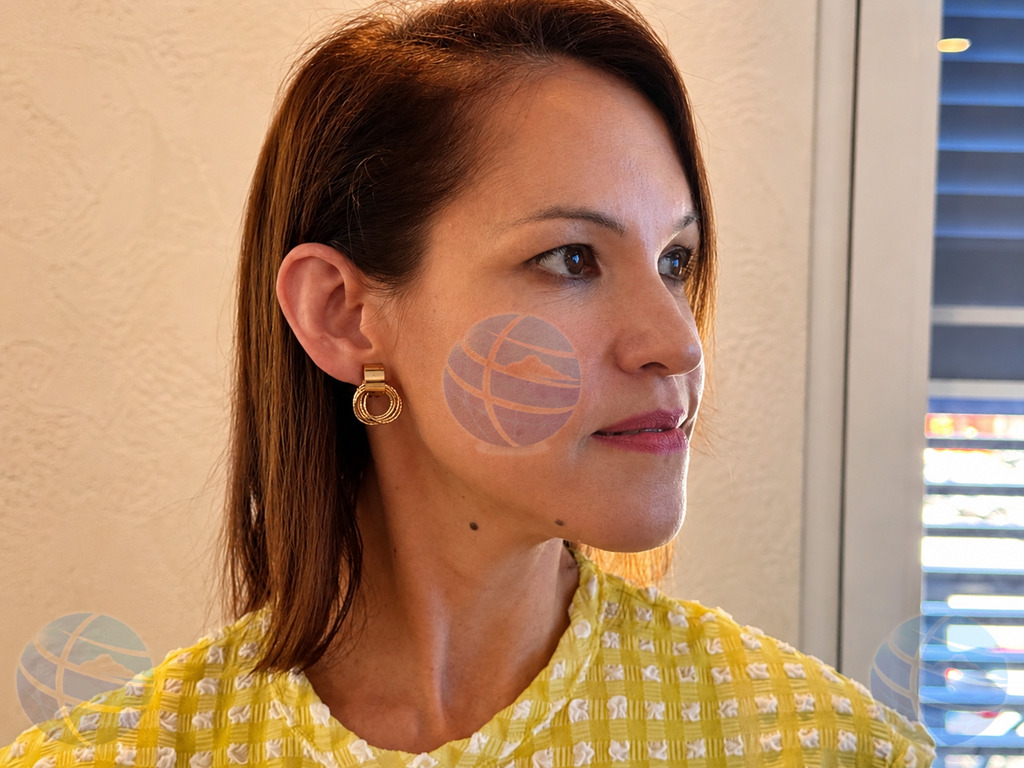
ATA CEO defends use of funds amid political criticism
ORANJESTAD – Aruba Tourism Authority (ATA) CEO Ronella Croes has defended the organization’s use of funds after being confronted in an interview with Noticiacla with criticism from politicians in Aruba who argue that ATA money is being used for projects that, in their view, are not directly related to tourism. During the interview, Tito Laclé asked Croes how she responds to political criticism over the use of ATA funds for matters such as cleaning and other projects that some politicians consider the responsibility of government rather than the tourism authority.
ATA’S ROLE HAS CHANGED
Croes responded that ATA’s role has evolved since 2014 and that the organization no longer functions solely as an entity that promotes Aruba abroad. “Since 2014, you have already seen an ATA with a greater focus on the tourism product,” Croes said. According to her, the change followed a process involving broad stakeholder participation and advice from an international company, which helped transform ATA from a Destination Marketing Organization into a Destination Marketing and Management Organization. Croes emphasized that this does not mean ATA should take on every responsibility of the country, but that there are specific areas directly linked to the quality of the tourism destination. “Our beaches are a priority. Safety is a priority. Hospitality is a priority. Culture as well,” she said.
CLEANLINESS OF ARUBA AND ATA
According to Croes, the cleanliness of Aruba also falls within this framework because the condition of the island and visitors’ perception of it form part of the tourism product. She mentioned pilot projects and the installation of trash bins as examples. Croes acknowledged that the issue is politically sensitive, but stressed that ATA is an apolitical organization and that decisions must be made within its legal and strategic framework. “We respect that there is a political process that we are not going to enter into, because we are apolitical,” Croes said. She added that ATA is aware that it needs to explain more clearly to the community where its role begins and where it ends. “Perhaps what we need to emphasize more is what ATA is and what ATA is not,” Croes said. With her response, Croes defended investments in cleanliness, beaches, safety, hospitality and other aspects of the destination as not automatically constituting improper use of funds, but rather as part of ATA’s role in managing and maintaining the quality of Aruba’s tourism product.